10 Common Electrical Problems Around The Home – JHE Electrical Contractors 

When it comes to household electrics, your safety is paramount. Flickering lights, high bills and damaged appliances can all be a sign of electrical problems on your home circuit. Identify problems from the list below, as well as the most appropriate solution.

1. FREQUENT ELECTRICAL SURGES

Electrical surges can be caused by anything from lightning strikes, damage to power lines, faulty appliances and bad electrical wiring in the house. While an actual surge only lasts a microsecond, frequent surges can damage the electrical components connected to your home, degrading their life expectancy significantly.

If you experience frequent electrical surges, the culprit is probably an electrical device connected to the home grid or the wiring itself. Try removing any cheaply made devices or powerboards from the outlet to see if this prevents the surges. Otherwise, it might be time to consult a professional electrician. Call JHE Electrical Contractors Ltd today for a free quotation on 01763 245108

2. SAGS AND DIPS IN POWER

Like electrical surges, sags and dips in electrical supply can often be attributed to devices connected to your power grid that are faulty or made with substandard materials, and draw a lot of power when they are turned on.

3. LIGHT SWITCHES NOT WORKING PROPERLY

Dimmer switches that don’t adjust light properly can often be attributed to shoddy workmanship or sub-standard products.

If you have just moved into a new house and find switches that don’t seem to activate anything at all, this might be a sign the switches have been superseded and fixtures removed, or it could be a fault in the outlet, circuit or wiring. Consult with an electrician if you’re experiencing issues with switches in your house.

4. CIRCUIT BREAKER TRIPPING FREQUENTLY

High wattage items like microwaves and hairdryers can trip circuit breakers, particularly when other power consuming items are used on the same source. A circuit breaker is designed to protect you and your home, so when it does trip, that’s a sign it’s doing its job.

Look at what you were using when it tripped. If it was a hair dryer, try using the low setting. Alternatively, limit the electrical usage on a single circuit while high power devices are in use.

5. CIRCUIT OVERLOAD

One of the biggest causes of frequent circuit breaker tripping is the overloading of consumer units. Most homes and apartments, even newer ones, don’t have enough power points to cater to, for example, a complete home entertainment unit setup. If circuit breakers in your home are tripping frequently, it could be down to circuit overload. Prevent this by:

  • Never daisy-chain extension leads.
  • Remove devices that aren’t in use (for example, phone chargers still draw power even when not connected).
  • Spread your electrical needs around. Don’t overburden a single circuit.
  • Be mindful of how you connect devices around the home – what’s in use, and what is unnecessary.

6. LIGHTS TOO BRIGHT OR DIM

If some lights around the house seem excessively bright but others are dim, then there’s two probable causes:

  1. Different types of lights with different wattage: Check that all the lamps are identical.
  2. Bad main neutral connection: This will continue to cause problems for the home until it is fixed by a professional.

7. ELECTRIC SHOCKS

An electrical shock is a nasty experience. Even though they are usually pretty mild, something akin to a static shock, they remind us that electricity is dangerous when not properly utilised.

Electrical shocks typically happen when you turn a device on or off. The issue could be with the appliance, or it could be in the wiring. You can test this by plugging in another device and seeing if the results are reproducible, however you’re just risking another electrical shock. In most cases, it might be better to speak with an electrician.

8. HIGH ELECTRICITY BILL

Reducing the cost of your electrical bill could include:

  • Switching to a more cost effective provider
  • Identifying electrical devices that may be causing power surges
  • Patching leaks in the hot water system
  • Unplugging appliances and chargers when not in use
  • Repairing damaged wiring or circuits

9. LIGHT BULBS BURNING OUT TOO OFTEN

There are a number of reasons your lights can be burning out too often:

  • Wattage is too high
  • Insulation is too close to the light
  • Bad wiring on the circuit
  • Bad wiring on the mains
  • On a dimmer switch, too much total wattage on one switch
  • If flickering there is probably a poor connection on the circuit.

Isolating the issue can be tricky for non-professionals. If you’re going through light bulbs like it’s nobody’s business, it it might be worth reaching out to an electrician to help identify the root cause of light bulb burnouts.

10. RECESSED LIGHT ‘GOES OUT’ AND COMES BACK ON

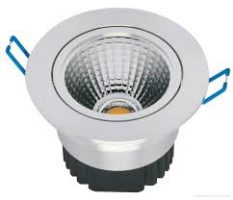
Recessed lighting (like downlights) are equipped with safety devices that cut out power to the light when it gets too hot. You’re either using too high wattage on the bulb, or insulation in the ceiling is too close to the bulb.

Check for excessive heat

Check overhead lights every so often:

  • Are they producing excessive heat?
  • What is the total wattage on the circuit?
  • Are they insulated properly?

Overheated lighting can be a fire risk, so be sure test regularly.

WHAT TO DO IF PROBLEMS PERSIST

If electrical problems are ongoing around your home, you should consider contacting a electrician. Safety around the home is paramount, so don’t leave anything to change. Get in touch with a professional, like your local JHE electrician, to help diagnose the problems with your home electricals for peace of mind and safety assurance.


Electrical condition report when moving home – JHE Electrical Contractors

Condition Reports explained

You cannot see electricity. Cables are usually hidden inside our walls, and consumer units are often hidden in cupboards, so it is not surprising that we forget to check the condition of our electrical installation for damage or wear and tear.

Faulty and old wiring is one of the main causes or electrical fires in the home. You can reduce the risk of a fire by checking the condition of your cables, switches, sockets and other accessories regularly.

How old is my electrical installation?

Clear signs that can help you tell the age of equipment in the electrical installation in your home include:

  • Fixed cables coated in black rubber (stopped being used in the 1960s).
  • Fixed cables coated in lead or fabric (used before the 1960s).
  • A fuse box with a wooden back, cast iron switches, or a mixture of fuse boxes (used before the 1960s).
  • Older round pin sockets (or light switches), braided flex hanging from ceiling roses, brown (or black) switches, or sockets mounted in or no skirting boards (used before the 1960s).
  • Light switches on the walls or in bathrooms (used before the 1960s).

However old your electrical installation is, it may get damaged and will suffer from wear and tear. So you should get an electrician to check its condition at least every 10 years or when you move into a new property.

What is the aim of a condition report?

The five main aims of a condition report are:

  1. Record the results of the inspection and testing to make sure the electrical installation is safe to be used until the next inspection (following any work needed to make it safe)
  2. Find any damage and wear and tear that might affect safety, and report it
  3. Find any parts of the electrical installation that do not meet the IET Wiring Regulations
  4. Help find anything that may cause electric shocks and high temperatures
  5. Provide and important record of the installation at the time of the inspection, and for inspection testing in the future.

 Types of condition report

In general, there are two types of domestic electrical installation condition report:

  • Visual condition report – this does not include testing and is only suitable if the installation has been tested recently.
  • Condition report – this is what we would normally recommend, as it tests the installation and would find any hidden damage.

Who should produce your condition report?

You can find a registered electrician to carry out your periodic inspection here

Electrics and the Elderly – JHE

Contact JHE

  • Research carried out by NICEIC and ELECSA revealed that:
    ·       24 million* adults in the UK have an elderly relative living on their own.
    ·       50% of us hold the opinion that the elderly are more at risk from the electrical dangers in our homes,
    ·       75% have never helped their relative to have their home safety checked by an electrician.
    ·       80% have never been concerned by the safety of the electrical appliances in their elderly family   member’s home.
  • “We want to encourage those looking out for an older relative or neighbor to have a quick check of the home and make sure there is nothing there that could potentially lead to something awful occurring.
  • “They could also be plugging these appliances into an electric supply around the home that might not have been checked in decades or perhaps never at all.
  • “With people over 65 statistically more likely to be involved in a fire caused by faulty electrics this is obviously concerning. During the colder months the elderly are more likely to be plugging in electrical appliances such as heaters or electric blankets, many of which could be old and potentially dangerous.
  • “While up to 50% of people will be making regular calls on a relative or neighbour this winter, less than 20% of those would think to take a quick check of the electrics to make sure everything is ok.
  • Yet research by NICEIC and ELECSA has revealed that although many of us will be looking in on an elderly relative or neighbour this winter, the one thing that could be getting overlooked is a quick check on the state of the electrics.
  • The UK’s leading registration body for electricians is urging people to think electrics when they carry out their checks on the elderly this winter.
  • Proportionately, older people suffer more fatal and non-fatal injuries from electrically-related house fires than the rest of the population. People over 65 are particularly at risk because they often live in old or poor-quality housing that contains faulty electrics or old appliances.
  • NICEIC and ELECSA have produced a checklist, of what to look out for to reduce the risk of an electrical fault. This quick visual check includes:
  • Ensuring that plug sockets are not damaged or scorched. Any scorch marks around a socket are indication that something is not right and that you should call a registered electrician to investigate further.
    ·       Checking that any leads or cables are not damaged or frayed
    ·       Checking that lights are working correctly and there is no signs of visible damage
    ·       Checking that sockets are not overloaded or that too many extension leads are in use.
    ·       Check that the main fusebox (consumer unit) has RCD protection fitted. An RCD (Residual Current Device) will trip should it detect an overload in the circuit.

    By carrying out these simple checks people will be able to reduce the risk of fire or spot something that could potentially lead to a problem in the future. If they see something that doesn’t seem to be working properly or may need further investigation we always suggest they call their local registered electrician. A registered electrician will be able to rectify any faults or carry out an Electrical Inspection Condition Report (EICR) which will identify any potential issues that could lead to further problems. Faulty electrics in the home account for 20,000 house fires each year, causing upwards of 70 fatalities.

  • Leading electrical charity Electrical Safety First advises that homeowners get an EICR carried out at least every 10 years.Most electrical issues in the home are easily preventable by ensuring a home is regularly checked by a suitable, registered electrician. 

Tenants – stay safe in your rented home

  • Every year around 70 deaths and 350,000 injuries in UK homes are caused by faulty electrics and electrical equipment.  Almost half of all domestic fires are caused by electricity. And if you live in a privately rented property, statistics show that you are at a higher risk of electric shock.
  • By law, your landlord must ensure that electrical installations and wiring are maintained in a safe condition throughout the tenancy.
  • Ask your landlord for a report confirming that the electrical installation has been assessed and is safe to use (called an Electrical Installation Condition Report, previously referred to as a Periodic Inspection Report or PIR). Electrical Safety First recommends that a periodic inspection and test of the electrical installation should be carried out by a registered electrician at least every five years or on change of tenancy.

Contact us for a free quotation

Why convert to LED lamps?

  • LEDs are the most energy-efficient bulbs. They use 90% less energy than traditional incandescents and can sometimes pay for themselves through energy savings in just a couple of months. So while the upfront cost might be high, you’ll notice the difference in your annual energy bills. By contrast, Compact Fluorescent Lamps (CFLs) use 60%-80% less energy than incandescents, while halogens use 20-30% less.
  • LEDs claim to be ultra long lasting – lasting for 25-30 years, depending on which one you buy and how you use it.
  • LEDs give out their light almost instantly when you flick the light switch, so you don’t have to put up with dim light while they get going

Contact JHE for a free quote to convert to LED

Read more: